
Estimated read time: 12 – 15 minutes
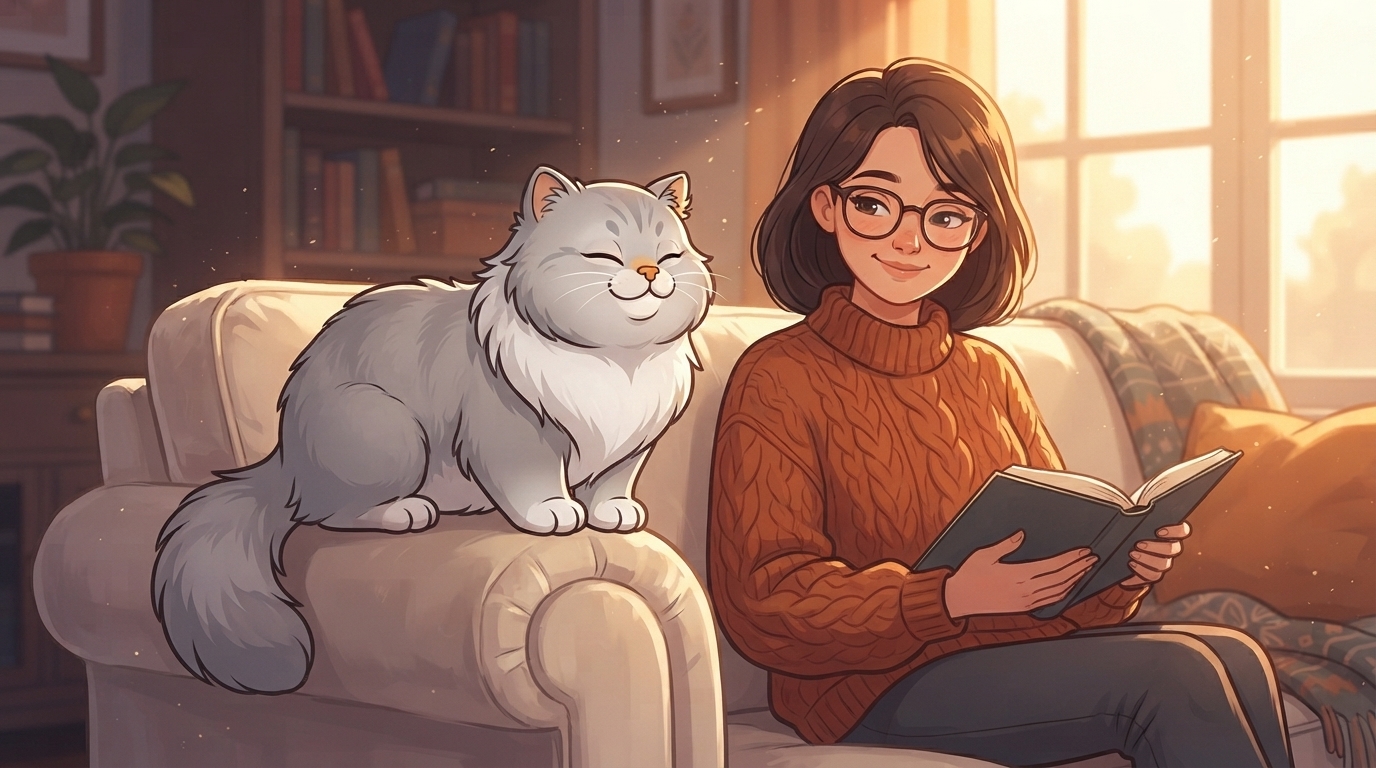
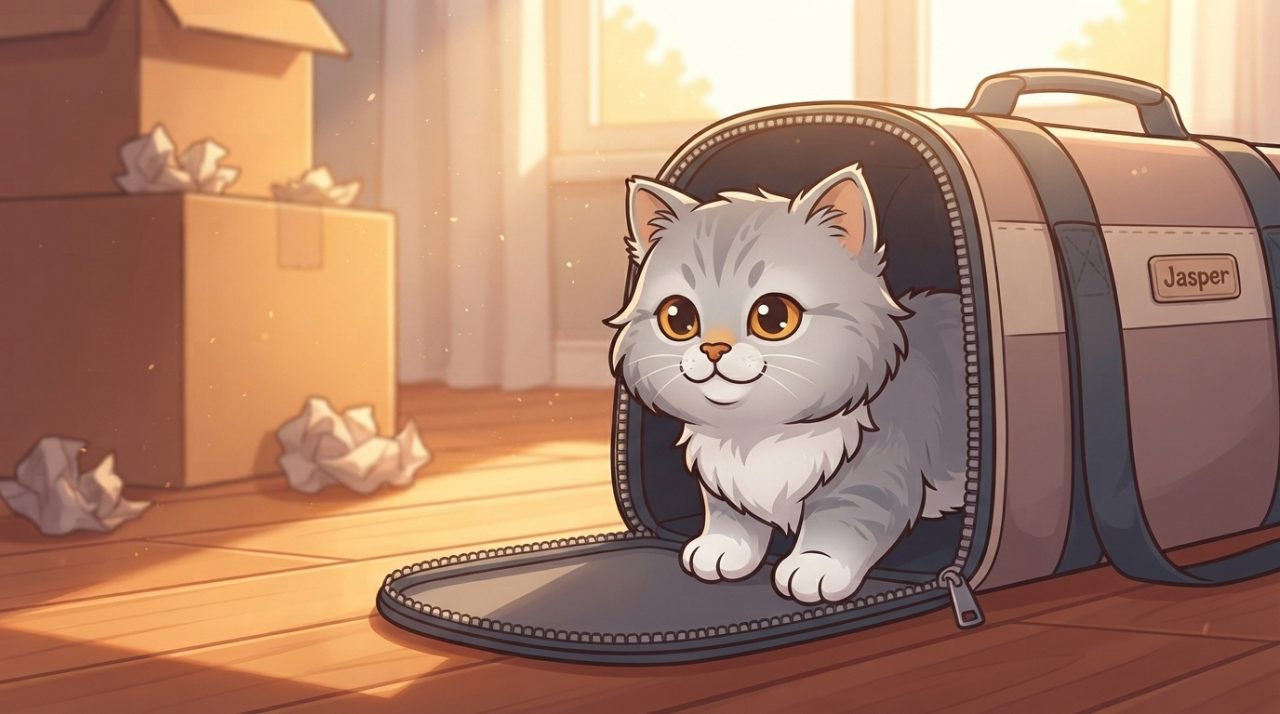
I still remember the afternoon I brought Jasper home for the first time. He was twelve weeks old, a tiny cream colored puff tucked inside a carrier, and he looked at me with those big copper eyes like he was quietly deciding whether I was worth his time. I held my breath. Then he let out the softest little chirp, padded over to my lap, and that was that. Seven years later, that same cat is still my shadow curled at my feet while I write, watching me from his favorite chair while I cook, and occasionally judging my life choices from the top of the sofa.
If you’re wondering whether Persian cats are friendly, the honest answer is, yes, but on their own terms. And once you understand those terms, you’ll realize they’re some of the most rewarding companions you’ll ever share your home with.
This article covers everything I’ve learned from years of living with Jasper, the warmth, the quirks, the boundaries, and the beautiful moments in between. Whether you’re thinking about adopting a Persian or you just brought one home and you’re trying to figure them out, I’m here to help.
The Persian Cat Personality, Gentle, Calm, and Deeply Loyal
If you’ve ever met a Persian cat, you already know they have a certain… gravitas about them. They’re not the cats that sprint down the hallway at 2 a.m. or knock your coffee off the counter for sport. Persian cats are calm, dignified, and measured in everything they do.
That said, “calm” doesn’t mean cold. Persian cats are genuinely affectionate animals. They form deep bonds with their people, and once they’ve decided you’re theirs, you’ll feel it every single day. Jasper has never been what you’d call a lap dasher. He doesn’t launch himself at me the moment I sit down but he finds his way to wherever I am, settles nearby, and stays. That quiet companionship is the Persian way.
Persian cats are loyal in a low key, consistent fashion. They’re not performing affection for an audience. They’re not excitable or needy in the way some breeds can be. What they offer is steadiness, a calm presence that becomes the background hum of your home life.
This breed also tends to be gentle natured with the people they love. They’re not aggressive cats. They don’t bite or scratch out of frustration easily. If a Persian doesn’t want to be held, they’ll usually just go somewhere else rather than make a scene about it. That measured quality is part of what makes them so pleasant to live with day to day.
One thing worth knowing upfront, Persian cats are selective. They don’t hand their affection out indiscriminately to every visitor who walks through the door. Most Persians are a little reserved around strangers at first they watch, they assess, and then they slowly warm up. Don’t take it personally if your Persian disappears when company arrives. It’s not unfriendliness; it’s discretion.
Are Persian Cats Affectionate? What That Actually Looks Like Day to Day
Here’s the thing about Persian cat affection, it’s real, it’s abundant, and it looks different from what you might expect if you’ve had other breeds.
Persian cats are not usually “velcro cats” in the classic sense. They’re not going to meow at you constantly, follow you from room to room in a frantic way, or demand belly rubs every five minutes. If that’s what you’re picturing, you might be thinking of a Siamese or a Ragdoll. Persians have their own love language, and once you learn it, it’s incredibly endearing.
Jasper shows me he loves me in a thousand quiet ways. He slow blinks at me from across the room that famous cat “eye kiss” that means they feel safe and content with you. He’ll settle on the arm of the couch right next to me rather than across the room. When I’ve had a rough day and I’m sitting quietly, he finds his way onto my lap without being invited. It’s like he has a sense about these things.
Persian cats also show affection through proximity. They want to be in the same room as you even if they’re not touching you. Jasper spends most of his day in whatever room I’m working in. He doesn’t always want to be held, but he wants to be near. That distinction matters.
Some Persians are more cuddly than others, there’s individual variation just like with people. Some will happily sit on your lap for hours. Others prefer to be next to you rather than on you. Much of this depends on how they were socialized as kittens, their individual personality, and frankly, whether they trust you yet.
If your Persian is new to your home, give them time. I’ve heard from so many readers who worried their new Persian wasn’t friendly because they hid for the first few days. That’s completely normal behavior for this breed during an adjustment period. Give them a quiet space, let them come to you, and be patient. The warmth will come.
Are Persian Cats Good With Kids? The Real, Honest Answer
This is one of the most common questions I get, and I want to give you a thoughtful answer rather than just a blanket “yes” or “no.”
Persian cats can absolutely be wonderful with children but they do best with calm, respectful kids rather than very young toddlers who haven’t yet learned how to be gentle with animals. This isn’t a breed that loves being picked up unexpectedly, tugged at, or chased around the living room. They have dignity, and they’d like it respected.
With older children who have been taught to handle cats gently, Persians can be incredibly sweet and patient companions. They’re not reactive or aggressive, so even if a child does something slightly annoying, a Persian is more likely to walk away than to swipe. That’s a plus.
If you have younger kids, it’s absolutely workable. You just need to supervise interactions, teach kids how to pet gently and let the cat come to them, and make sure your Persian has a safe retreat space where children aren’t allowed to follow. Every cat needs a place where they can go to decompress, and this is especially true for the more sensitive Persian temperament.
I’ll be honest I don’t have kids myself, but several of my close friends with Persians do, and the ones who’ve made it work all say the same thing, teach the child before you worry about the cat. The cat will follow the child’s lead. If the child is calm, the cat is calm.

Are Persian Cats Friendly With Other Pets?
This one depends heavily on how your Persian was raised and whether they’ve been socialized around other animals. But broadly speaking, Persians tend to be on the easygoing side when it comes to cohabiting with other pets.
Jasper shares his life with my sister’s dog whenever she visits a mid-sized golden retriever mix named Biscuit who has, over the years, learned to read Jasper’s energy perfectly. Jasper isn’t scared of Biscuit. He doesn’t hiss or flee. He simply ignores Biscuit with the kind of serene detachment that only a Persian can pull off, and Biscuit has learned this means “don’t push it.”
Persian cats generally get along well with other cats, especially when introduced properly and gradually. They’re not territorial or combative by nature. They can even form genuine friendships with other cats over time. Two Persians together is an especially harmonious pairing, they tend to understand each other’s pace.
With dogs, it comes down to the dog more than the cat. A calm, cat savvy dog? Persian cats can manage that just fine. A high energy dog that wants to chase everything? That’s going to be stressful for a Persian, who thrives on peace and quiet.
The key to any multi pet introduction is patience. Don’t rush it. Let them get used to each other’s smells first, then brief supervised interactions, then longer ones. Persians respond well to gradual introductions and poorly to being thrown into chaotic situations without a chance to adjust.
What Makes Persian Cats Less Friendly And How to Avoid It
I want to be real with you here, because I think it does a disservice to talk only about the best case scenario. Like any animal, a Persian cat’s temperament can be shaped for better or worse by their environment and experiences.
Poor socialization as a kitten is probably the biggest factor that can make a Persian cat more aloof or anxious than the breed naturally tends to be. Kittens who weren’t handled often, who came from stressful environments, or who had limited positive human contact in those early weeks can grow up to be cats who are more withdrawn and less trusting. This isn’t unfixable, but it takes more time and patience.
Stressful home environments can also bring out a more fearful side in Persians. They’re sensitive animals. Loud, chaotic households, frequent disruptive changes, or a lack of routine can make even a well socialized Persian more skittish and less social. If you want a friendly Persian, give them a calm, predictable environment. They bloom in it.
Lack of positive interaction matters too. A Persian who’s left alone for long stretches without much engagement can become more independent and less interested in connecting with people. They’re not goldfish, they need companionship and gentle engagement to stay socially warm.
And finally being pushed past their comfort zone. If a Persian signals that they’ve had enough (walking away, flattening their ears slightly, a slow flick of the tail), and you keep picking them up or petting them anyway, you chip away at the trust. Let them lead. Always.
How to Build a Strong Bond With Your Persian Cat
The good news, building a deep bond with a Persian cat is not complicated. It just requires consistency, patience, and a willingness to meet them where they are.
Start slow – When Jasper was new, I let him explore the house at his own pace. I didn’t scoop him up constantly. I sat on the floor near him and let him come to me. Within a week, he was the one nudging my hand for pets.
Establish a routine – Persians love predictability. Same feeding times, same play sessions, same quiet evenings. When they know what to expect from their day, they relax and a relaxed Persian is a social Persian.
Learn their signals – Pay attention to how your Persian communicates. A slow blink is trust. Headbutting is affection. Following you into the kitchen even though they have no reason to be there? That’s love.
Gentle grooming sessions can be bonding moments – I know grooming a Persian can feel like a chore believe me, I’ve been there with Jasper’s coat but when done calmly and positively, with the right tools and a patient hand, it becomes something he actually enjoys. It’s time together. Use it.
Talk to them. I know that sounds a little silly, but Persian cats are responsive to a gentle, calm voice. Jasper visibly relaxes when I narrate my morning to him. Whether he understands a word of it is debatable. Whether he appreciates being included? Definitely yes.
FAQ: Persian Cats Friendly?
Are Persian cats friendly with strangers?
Most Persians are reserved around people they don’t know. They tend to observe from a distance at first and warm up gradually. Don’t be alarmed if your Persian disappears when guests arrive, it’s a normal response for this breed. Give them time and space, and many Persians will eventually come out to investigate on their own terms.
Do Persian cats like to be held?
It varies from cat to cat, but many Persians tolerate being held and some genuinely enjoy it. The key is reading your individual cat’s signals. If they’re relaxed and purring, they’re happy. If they’re tense or fidgeting, let them down. Never force it, you’ll build more trust by respecting their boundaries than by insisting on cuddles.
Are Persian cats good for first time cat owners?
Yes, Persian cats can be a great choice for first time owners. They’re calm, gentle, and not demanding in an overwhelming way. The main thing to be prepared for is their grooming needs, their long coats require regular brushing and care. If you’re ready for that commitment, they’re a deeply rewarding first cat.
Are Persian cats clingy or needy?
Not exactly. Persian cats enjoy being near their people and can become lonely if left alone for very long periods, but they’re not usually described as clingy or high maintenance emotionally. They want companionship, not constant attention. Think of them as the kind of company that’s happy to just be in the same room as you.
At what age do Persian cats become more affectionate?
Persian kittens can be a little more energetic and exploratory, though still gentle by nature. Many owners notice their Persians become noticeably more cuddly and settled around 2–3 years of age, as they mature into their adult temperament. Jasper definitely became more of a lap cat as he got older patience pays off.
A Little Love Before You Go, From a Fellow Persian Cat Mama
So, are Persian cats friendly? Yes beautifully, genuinely, deeply friendly. Just not in a flashy or demanding way. They love quietly. They trust slowly. And when you earn that trust, what you get back is one of the most rewarding relationships you can have with a pet.
Jasper has taught me that real companionship doesn’t have to be loud to be meaningful. He’s there when I need him, content in the life we’ve built together, and every slow blink he sends my way still feels like a gift.
If you’re on the fence about this breed, let me just say, give them a chance. Give them a calm home, a gentle hand, and a little patience. They will absolutely give you everything they’ve got in return.
I’d love to hear about your Persian in the comments below. Are they the silent shadow type like Jasper, or do you have a Persian who’s more openly cuddly? Share your story! And if this helped you, bookmark this page or pin it for later. It’s always good to have when friends ask you to explain the Persian personality.
About the Author
Tabitha P. Bean is a Persian cat enthusiast, writer, and the proud owner of Jasper, her beloved male Persian cat. Through her love for Jasper, she enjoys sharing helpful tips and insights to help fellow cat parents give their fluffy companions a happy, healthy, and comfortable life.
