
Introduction
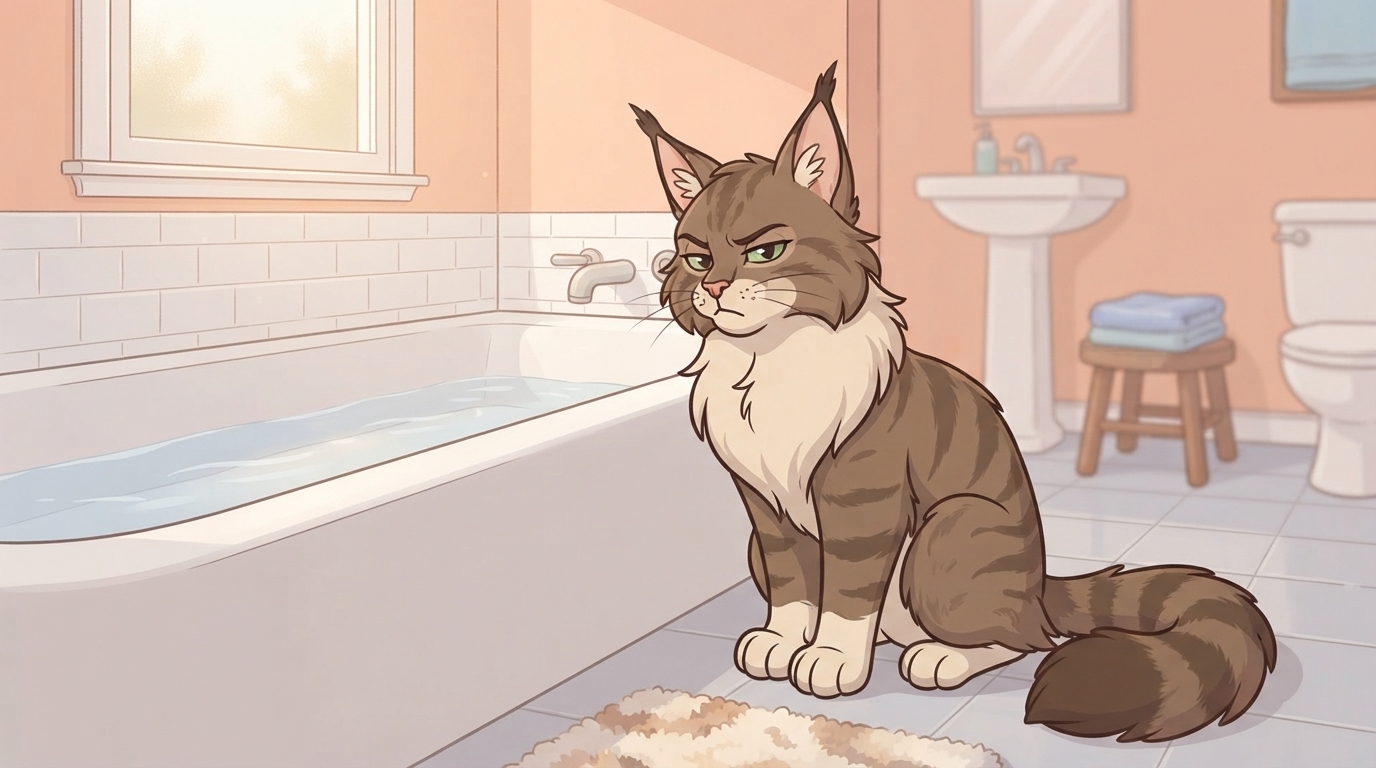
The first time I tried to give Luna a bath, I had exactly zero idea what I was doing. She was about eight months old, she’d gotten something sticky under the kitchen sink (to this day I don’t know what), and I figured she’s a Maine Coon, they like water, right? How hard could it be?
Well. She tolerated it. Barely. I used the wrong shampoo (my mistake more on that later), the water was slightly too cold, and I didn’t have a towel within arm’s reach. It was, generously, a mess. But I learned a lot that day, and I’ve learned even more in the years since.
One of the most common questions I get from fellow Maine Coon owners is: how often should you bathe a Maine Coon? And honestly? The answer isn’t as simple as a number. It depends on your cat’s lifestyle, coat condition, age, and even their individual oil production. In this post, I’m breaking it all down with the honest answer, the nuance, and the practical tips that’ll make bath time way less of a wrestling match.
The Honest Answer: Less Often Than You Think
Here’s the thing most people are surprised to hear your Maine Coon doesn’t need frequent baths. These cats are meticulous self groomers. They spend a significant chunk of their day licking, nibbling, and cleaning their fur to remove dirt, debris, and loose hair. For the most part, they’re doing a pretty solid job without your help.
For the average indoor Maine Coon, bathing every 6 to 8 weeks is the sweet spot. Some owners comfortably stretch that to every two to three months without any issues at all, as long as they’re keeping up with regular brushing.
If your Maine Coon is an indoor only cat with a well maintained coat, you might honestly find you only need to bathe them four to six times a year and that’s completely fine. The goal isn’t a squeaky clean cat every few weeks. The goal is a healthy, comfortable cat with a coat that isn’t matted, greasy, or dirty.
Where people get into trouble is over bathing. Maine Coons have a semi water resistant double coat that’s naturally protected by skin oils. Wash those oils away too often, and you’re left with a dry, brittle coat and a very unimpressed cat. Over bathing can also dry out the skin, potentially leading to irritation and itching. Luna went through a phase of excessive scratching after a stretch where I was bathing her too frequently, and my vet was the one who connected the dots for me.
Factors That Affect How Often Your Maine Coon Needs a Bath
The “every 6 – 8 weeks” guideline is a solid starting point, but your individual cat’s needs might push that number in either direction. Here’s what actually matters:
Indoor vs. Outdoor Access
An indoor only Maine Coon who lounges on the couch and occasionally chases a toy mouse is going to stay pretty clean on their own. But if your cat has any outdoor access, even just a catio or supervised backyard time they’re going to pick up more dirt, pollen, and debris. Outdoor or semi outdoor Maine Coons may genuinely need more frequent baths, especially during spring and fall when pollen counts are high.
Coat Oiliness
This is the big one that doesn’t get talked about enough. Some Maine Coons naturally produce more skin oils than others, which can cause the coat to look greasy especially along the spine and at the base of the tail. This is more common in intact males, but it can happen in any cat, neutered or not. If your cat’s coat is consistently looking a little slick or feeling heavy, more regular bathing (every four to six weeks) makes sense. If their coat is fluffy and dry ish most of the time, you can space baths out further.
Luna tends toward the drier side, so I’m usually bathing her every eight weeks or so. But I’ve cat sat a neighbor’s intact male Maine Coon, and that boy needed a bath nearly every month. It’s very individual.
Age and Mobility
Kittens and senior cats occupy opposite ends of the bathing spectrum for different reasons. Kittens should actually be introduced to bathing early, even just a monthly mini bath helps them get comfortable with the process so it’s not traumatic as adults. Older Maine Coons, especially those with arthritis or reduced mobility, may struggle to groom themselves thoroughly. If you notice your senior cat’s coat getting matted or unkempt in spots they can’t easily reach (the lower back and base of the tail are common), more frequent baths can help fill the gap.
Coat Length and Condition
A Maine Coon with a thick, long coat that isn’t being brushed regularly is going to need baths more often not because bathing replaces brushing, but because the coat accumulates more debris between grooming sessions. Conversely, a well brushed cat with a healthy coat can go longer between baths. Regular brushing (two to four times a week, daily during heavy shedding seasons) genuinely reduces your bathing workload.
Health Conditions
Certain skin conditions including dandruff, eczema, or allergies may actually require more frequent bathing with specific medicated or gentle shampoos. If you suspect your Maine Coon has a skin issue, always check with your vet before adjusting your bathing schedule. They can recommend the right shampoo and frequency for your cat’s specific needs.
When You Should Bathe Your Maine Coon Regardless of Schedule
Beyond your regular routine, there are situations that call for an immediate bath schedule or no schedule. These are the times when you don’t ask “is it time?” You just grab the shampoo.
They got into something. Luna has an uncanny ability to find the one sticky, smelly, or questionable thing in any room and investigate it thoroughly with her entire body. If your cat has gotten into grease, cleaning products, paint, tree sap, or anything else that’s coating their fur, a bath is non negotiable. Don’t let them lick it off.
They smell noticeably bad. A healthy Maine Coon shouldn’t smell. If yours does, that’s your cue regardless of when the last bath was. Odor can also signal a hygiene issue in hard to reach areas (particularly around the rear), so check the whole cat carefully.
There’s visible dirt or debris in the coat. Self grooming is impressive, but it has limits. If you can see dirt, mud, or matted debris in the fur, a bath will do what brushing alone can’t.
They have fleas or parasites. Flea treatment often involves a bath as part of the process. Follow your vet’s guidance on timing and shampoo selection.
Before a show. If you’re showing your Maine Coon, professional level cleanliness is part of the deal. Show cats typically get bathed within a day or two before competition using specialty shampoos and conditioners designed to maximize coat volume and shine.
What to Do Instead of Bathing (Most of the Time)
Here’s the part I wish someone had told me years ago: consistent brushing is more important than consistent bathing. Most of the hygiene, coat health, and mat prevention work that people associate with baths is actually better accomplished with regular grooming sessions.
A two to four times a week brushing routine using a wide toothed metal comb and a slicker brush will do more for your Maine Coon’s coat than any bath. Brushing removes loose fur, distributes natural oils evenly, prevents matting before it starts, and keeps your cat comfortable especially through the heavy spring and fall shedding seasons.
For spot cleaning between baths, unscented cat safe grooming wipes are a total lifesaver. If Luna has a minor mess around her paws or face, I reach for wipes before I even think about filling the tub. They handle most minor situations quickly and stress free.
For a greasy coat that needs refreshing between baths, dry baths using cornstarch are surprisingly effective. Work a small amount of cornstarch into the coat, let it sit for a few minutes to absorb excess oil, then brush it out thoroughly. It’s gentle, it’s safe, and it can buy you several more weeks before a full bath is needed.
Apple cider vinegar rinses (heavily diluted always) can add shine and help with mild odor between baths. Use about one tablespoon diluted in a cup of water as a final rinse after shampooing. Don’t use it undiluted, and avoid the eyes and ears entirely.

How to Actually Bathe a Maine Coon Without Losing Your Mind
Okay, let’s say it’s bath time. Here’s how to make it go as smoothly as possible because technique actually matters a lot with this breed.
Before You Even Get Near the Tub
Brush thoroughly first. Never put a tangled or matted Maine Coon into the bath. Water tightens mats and makes them significantly harder to remove. Get all the knots out before you introduce water. Luna gets a full brush out before every single bath no exceptions.
Gather everything in advance. Once your cat is wet, you can’t leave the room. Have your cat specific shampoo, conditioner (optional but nice), several towels, and a cup or detachable sprayer ready to go before the cat enters the bathroom.
Trim nails first. A Maine Coon in a bath is a large, occasionally panicked cat. Blunting the tips of those claws beforehand is just a good self preservation strategy.
During the Bath
Use lukewarm water, not hot, not cold. Maine Coons are large and may take up your entire sink, so a small tub or the bathtub itself often works better than trying to wrestle a 15 pound cat into a kitchen sink.
Use a cat specific shampoo only – never human shampoo. Human shampoo has a different pH balance than cat skin requires and can cause irritation, dryness, and even allergic reactions. An oatmeal based or gentle natural formula works well for most Maine Coons. If your cat has oily fur, look for a degreasing formula designed for cats with dense coats.
Wet the coat thoroughly this takes longer than you’d expect with a Maine Coon’s thick fur. Work the shampoo through from root to tip, being careful around the eyes, ears, and face. A damp washcloth works well for cleaning the face without dunking it.
Rinse completely and then rinse again. Shampoo residue left in the coat causes irritation and dullness. With a thick double coat, it’s easy to miss spots.
After the Bath
This is the step most people underestimate: drying matters enormously. A wet Maine Coon left to air dry too long can develop skin issues, and their thick coat holds moisture for hours. Wrap in a towel immediately and blot (don’t rub rubbing causes tangles).
If your cat tolerates it, a low heat blow dryer on the lowest setting works beautifully. Introduce the dryer slowly when they’re young Luna now actually seems to enjoy it, which is something I genuinely did not expect. Keep the dryer moving and don’t hold it too close to the skin.
Always follow up with treats and praise. Every. Single. Time. Positive association is everything. It’s the difference between a cat who tolerates bath time and one who goes into hiding when they hear the water turn on.

Common Maine Coon Bathing Mistakes to Avoid
Even well intentioned owners make these. Consider this your shortcut past the trial and error phase:
- Bathing too frequently. Strip those natural coat oils too often and you’ll create the dry, dull coat you were trying to prevent. Stick to the 6–8 week guideline unless there’s a specific reason to go more frequently.
- Using human shampoo or dish soap. I know it’s tempting if you’ve run out of cat shampoo. Don’t. Both are far too harsh for feline skin.
- Skipping the pre bath brush. Wet mats are significantly more painful to detangle than dry ones. Always brush before bathing.
- Skipping the blow dry. A partially damp Maine Coon coat is a mat waiting to happen. Get that coat as dry as possible before you call it done.
- Bathing a cat who’s already stressed. If your Maine Coon is worked up about something else, a vet visit, a new pet, loud construction outside postpone the bath. Adding more stress on top of stress is a recipe for a bad experience that makes the next bath harder.
- Bathing to fix mats. Water makes mats worse, not better. Work out any mats before the bath, or visit a professional groomer if they’re severe.
Do Maine Coons Actually Like Baths?
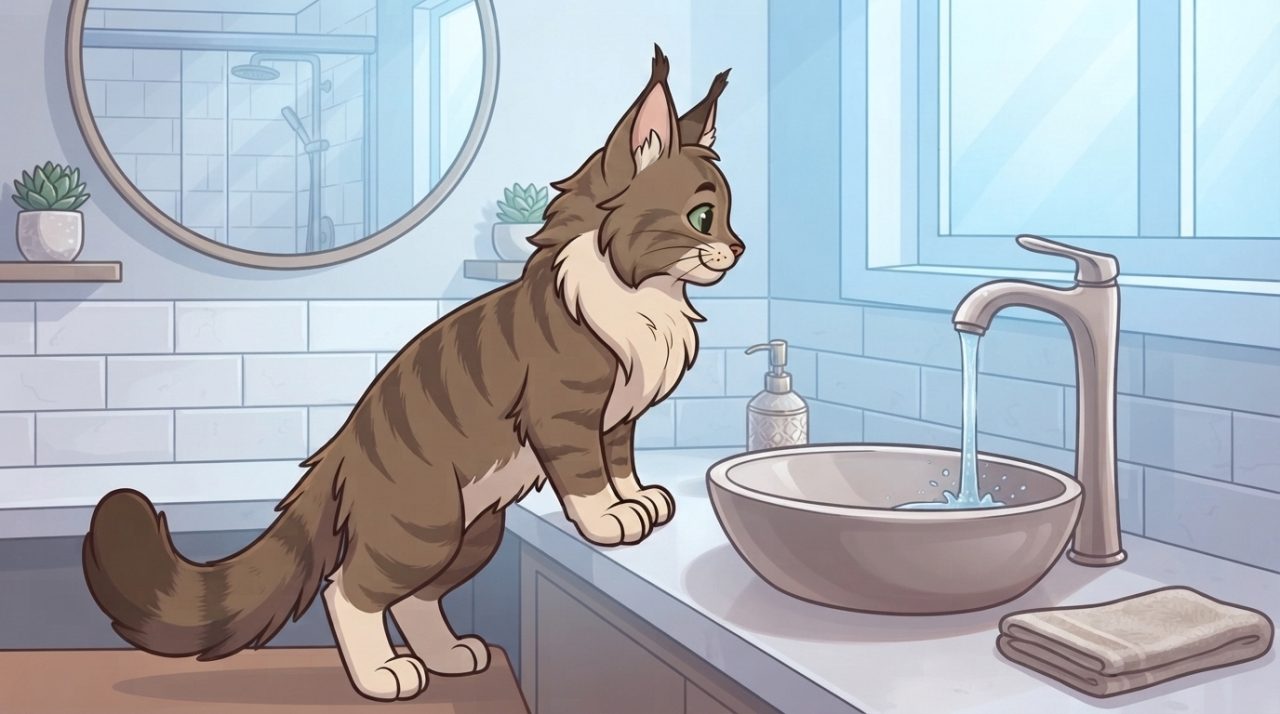
People always ask me this, and the answer is: it varies wildly. The Maine Coon breed does have a well documented fascination with water. Luna has been known to supervise my dishwashing, splash water out of her bowl for fun, and once stuck her entire head under the running faucet for reasons I will never understand. But fascination with water in general doesn’t automatically translate to enjoying baths.
What makes the biggest difference is when they were introduced to bathing. Maine Coons who were gently bathed starting as kittens tend to be much more relaxed about it as adults. Cats who experience their first bath as a stressful adult event often remain difficult to bathe throughout their lives not impossible, but it takes more patience and counter conditioning.
If you’ve adopted an adult Maine Coon who hasn’t been bathed before, start slow. Introduce them to the bathroom, then to water sounds, then to getting their paws wet, before attempting a full bath. Short, positive sessions with lots of treats can gradually build their tolerance.
Luna’s not exactly thrilled on bath day, but she doesn’t panic either. We’ve got a routine: I run the water, she appears in the doorway to register her disapproval, I produce treats, and we proceed. It’s a negotiation. I’ve made my peace with it.
Frequently Asked Questions
How often should I bathe my Maine Coon?
For most indoor Maine Coons, bathing every 6 to 8 weeks is ideal. Cats with oily coats or outdoor access may need baths every 4 to 6 weeks, while cats with drier coats who are brushed regularly can often go every 2 to 3 months. There’s no single right answer. Your cat’s coat condition is the best guide.
Can you bathe a Maine Coon too often?
Yes. Over bathing strips the natural oils from a Maine Coon’s coat, which can lead to dry, dull fur, skin irritation, and itching. If you feel like your cat needs more frequent baths, it usually means the brushing routine needs to be more consistent rather than the bathing frequency needs to go up.
What shampoo should I use on a Maine Coon?
Always use a cat specific shampoo, never human shampoo or dish soap. Look for gentle, natural formulas, ideally oatmeal based for sensitive skin. For Maine Coons with oily coats, a cat safe degreasing shampoo works well. Never use shampoos containing essential oils like tea tree, which are toxic to cats.
Do Maine Coons need to be blow dried after a bath?
It’s strongly recommended. Maine Coons have thick double coats that hold moisture for a long time. Leaving the coat damp too long can lead to skin irritation and mat formation. A low heat blow dryer on the lowest setting, used with movement and kept at a safe distance from the skin, is ideal.
My Maine Coon hates baths. Is there an alternative?
Yes! For bath maintenance, try unscented grooming wipes for spot cleaning and a cornstarch dry bath for oily coats. Most of the coat maintenance work for a Maine Coon can actually be accomplished through consistent brushing rather than frequent bathing. If your cat truly cannot tolerate a bath, a professional groomer experienced with long haired cats may also be an option.
At what age can you start bathing a Maine Coon kitten?
You can begin introducing kittens to water as young as 8 weeks old, though full baths are typically easier once they’re a bit older and more stable on their feet. Starting the habit young makes a huge difference, cats who are gently bathed as kittens are far more relaxed about the process as adults.
One More Thing Before You Go From One Maine Coon Mom to Another
If there’s one thing I want you to take away from all of this, it’s that bathing a Maine Coon doesn’t have to be complicated and it definitely doesn’t have to happen as often as you might think.
Aim for every 6 to 8 weeks as a baseline. Adjust based on your specific cat’s coat condition, lifestyle, and oil production. Prioritize consistent brushing over frequent baths. And when you do bathe, do it right: proper shampoo, thorough rinse, complete drying, and a treat at the end.
Luna and I have found our rhythm over the years. Bath day is never her favorite day, but it’s smooth, it’s quick, and it’s followed by about fifteen minutes of post bath zoomies that are honestly worth the whole process just to watch.
You’ve got this. And so does your Maine Coon even if they’d like you to believe otherwise.
Have a Maine Coon bathing tip that’s saved your sanity? Drop it in the comments below. I’d love to hear what works for your cat. And if you found this helpful, check out my full Maine Coon grooming guide for everything else you need to know about keeping that gorgeous coat in top shape.
Nellie J. Wilson, Editor & Maine Coon Mom
