

Estimated read time: 10 – 12 minutes
Introduction
When I brought Jasper home, he was already eight weeks old, a round little puff of cream colored fluff who fit in the palm of my hand. I remember thinking, “What did I miss?” Because so much happens before a Persian kitten ever sets paw in a new home. That curiosity sent me down a rabbit hole of breeder forums, vet chats, and a lot of note taking, and what I learned about Persian kitten development stages completely changed how I understood the cat sitting on my lap.
This article is the guide I wish I’d had back then. We’re going week by week from the moment a Persian kitten is born to the goofy, confident almost cat stage around twelve weeks so you know exactly what’s happening, what’s normal, and what to expect whether you’re picking up a kitten soon or just love understanding your cat’s story from the very beginning. Grab a cup of coffee and settle in, because there’s a lot of growing and a lot of fluff packed into these first three months.
Week 1 and 2 – The Newborn Stage
A newborn Persian kitten doesn’t look much like the fluffy show stopper you’re picturing. At birth, kittens are blind, deaf, and almost entirely helpless. Their fur lies flat and a little damp looking rather than poofy, and their tiny faces haven’t yet developed that signature flat profile. Everything in these first two weeks revolves around two things, eating and sleeping. A newborn kitten nurses every couple of hours around the clock, and in between, it sleeps almost continuously, twitching and squeaking in tiny dreams.
This is the stage where the mother cat does essentially all the work. She keeps her kittens warm (newborns can’t regulate their own body temperature yet), she stimulates them to nurse and eliminate, and she keeps the whole litter in a tidy, snoozing pile. Steady weight gain is one of the clearest signs that a litter is thriving during these early Persian kitten development stages, and most breeders weigh kittens daily just to keep an eye on the trend though of course, anything that looks off is a conversation for the breeder or vet, not a DIY diagnosis.
You’ll also notice the umbilical cord drying up and falling away naturally within the first several days. Movement at this point is more “wriggle” than “walk” kittens push themselves toward warmth and their mother using a kind of swimming motion with their front legs, since their back legs aren’t coordinated yet.
The nest box environment matters a lot during this stage, even though the kittens themselves seem oblivious to it. Breeders generally keep newborns somewhere warm, draft free, and quiet, since young kittens can’t shiver to generate heat the way adult cats can. Mom usually chooses a low traffic corner herself, and if she relocates the litter overnight, it’s typically because she’s decided somewhere else feels safer, a very normal, very maternal instinct that surprises a lot of first time observers.
It’s a quiet, sleepy stage from the outside, but biologically, an enormous amount is happening, the foundation for everything that comes next.

Week 2 to 3 – Eyes Open and Ears Tune In
Somewhere between seven and fourteen days, the magic starts. Eyes that were sealed shut begin to crack open, usually appearing a hazy, almost milky blue at first. Vision isn’t sharp yet think of it like a window that’s slowly being wiped clear over the next week or two but it’s the beginning of a kitten actually perceiving its world rather than just feeling and smelling it.
Ears go through their own transformation around this same window. They unfold from those flattened little buds and start to stand up, and along with that comes the ability to hear. You might notice a kitten flinch or turn toward a sound for the first time. It’s a small moment, but it’s a genuine milestone in Persian kitten growth stages.
Mobility takes a step forward here too. Those swimming motions from week one start to give way to more deliberate crawling, even if the kittens are still pretty wobbly and prone to flopping over mid step. Some will attempt a clumsy stand, only to immediately sit back down, which is honestly one of the more entertaining things you’ll ever watch.
Teeth haven’t arrived yet, and kittens are still entirely dependent on their mother’s milk. But there’s a noticeable shift in alertness during this stage kittens start responding to their littermates, nuzzling and piling together with a bit more purpose than the random heap sleeping of week one. Vocalizations change too, the tiny, almost insect-like squeaks of week one start giving way to slightly more developed mews, especially when a kitten gets separated from the pile or wants attention. If you’re tracking when do Persian kittens open their eyes as a milestone, this two to three week window is where you’ll see it happen.
Week 3 to 5 – Wobbly Steps and First Explorations
This is where things start to feel less like “newborn” and more like “kitten.” Standing becomes steadier, and real walking uneven, top heavy, occasionally ending in a face plant emerges. By the end of this window, most kittens are confidently toddling around their nest box and showing real curiosity about what’s just beyond it.
Baby teeth begin coming in around three to four weeks, tiny and needle sharp, and this is usually when breeders start introducing a shallow litter box nearby, since kittens at this stage are starting to move away from the nest to eliminate rather than relying entirely on their mother. It’s also when personalities really start to separate from one another. In a litter of identical fluffballs, you’ll suddenly notice one kitten is the bold explorer, another sticks close to mom, and another seems perfectly happy just watching from the sidelines.
I remember the breeder telling me that even at this early stage, Jasper had a signature move instead of curling into a tight ball to sleep like his littermates, he’d flop dramatically onto his side, limbs sprawled out like he owned the place. She joked he was “rehearsing for his future as a furniture decoration,” and honestly, eleven years later, that’s still exactly what he does.
Grooming behavior starts to appear in a rudimentary way too, kittens will attempt to lick themselves and each other, even though the coordination is far from polished.
Social structure within the litter starts to take real shape here as well. Kittens learn an enormous amount from each other during this window, how to react when a sibling bites too hard, how to share space around mom, even early lessons in reading body language. This sibling interaction is part of why breeders are generally cautious about separating kittens from their litter too early; those few extra weeks of practice with littermates tend to produce more socially confident adult cats down the line.

Week 5 to 8 – Weaning, Play, and Personality Bursts
If week one was about survival and week three was about discovery, weeks five through eight are about becoming a cat. This is one of the busiest stretches in Persian kitten development stages, and it’s genuinely fun to watch.
Weaning the gradual shift from nursing to eating solid food typically happens during this window, usually guided by the mother cat naturally stepping back from constant nursing as the breeder introduces softened kitten food. Every litter paces this a little differently, and it’s always best left to the breeder or vet’s judgment rather than a rigid calendar.
Play behavior explodes here. Pouncing, wrestling, tail chasing, ambushing littermates from behind the water bowl, this isn’t just cute chaos, it’s how kittens build coordination, social skills, and bite inhibition (learning how hard is “too hard” when play biting a sibling). You’ll also start to see the beginnings of that classic Persian look, the coat is filling in with real volume, the face is rounding out into that flatter, sweeter profile, and the eyes often shifting away from that newborn blue start settling toward their adult color.
Socialization with humans matters enormously during this stage. Gentle handling, quiet voices, and positive associations with being picked up all help shape a confident, people friendly adult cat.
Breeders who spend real one on one time with kittens during these weeks tend to produce notably more affectionate, easygoing cats, something I’m endlessly grateful Jasper’s breeder did, because he’s never once been a cat who resents being brushed or held.
This is also when the Persian breed’s signature look really starts announcing itself. The undercoat thickens noticeably, giving kittens that round, plush appearance long before the adult coat fully comes in, and the flat facial structure becomes much more pronounced round cheeks, a shorter nose, big expressive eyes that seem too large for the face at this stage. It’s an endearing, slightly comical look, and it’s one of the clearest visual markers separating Persian kitten growth stages from those of shorter haired breeds.
Week 9 to 12 – The Goofy Adolescent Stage
By nine weeks, most Persian kittens have shed the wobbliness entirely and replaced it with something closer to confident chaos. This is peak “kitten energy” sudden sprints across the room, ambushes from behind furniture, and a level of curiosity that means absolutely nothing on a low shelf is safe.
Coat development continues steadily through this stage, with that signature long, dense Persian fluff becoming more obviously visible, even though full adult coat texture won’t arrive for months yet. Eyes and ears are now fully proportioned to a more cat-like face, and most of the remaining baby awkwardness has smoothed out into something genuinely elegant, even mid zoomie.
Twelve weeks is also the age most breeders consider appropriate for a kitten to go to its new home old enough to be weaned, vaccinated on a vet guided schedule, and socially developed, but still young enough to bond easily with a new family. If you’re picking up a kitten around this age, you’re meeting them at one of the most fun stages there is.
Play preferences start to show real individuality here too. Some kittens gravitate toward chasing anything that moves a dangling ribbon, a rolling ball, your ankle as you walk by while others get fixated on a single favorite toy and ignore everything else. This is also when you’ll likely catch your first glimpse of a kitten “stalking” in that classic low, slow motion crouch before pouncing, a behavior that’s pure instinct rather than anything taught.
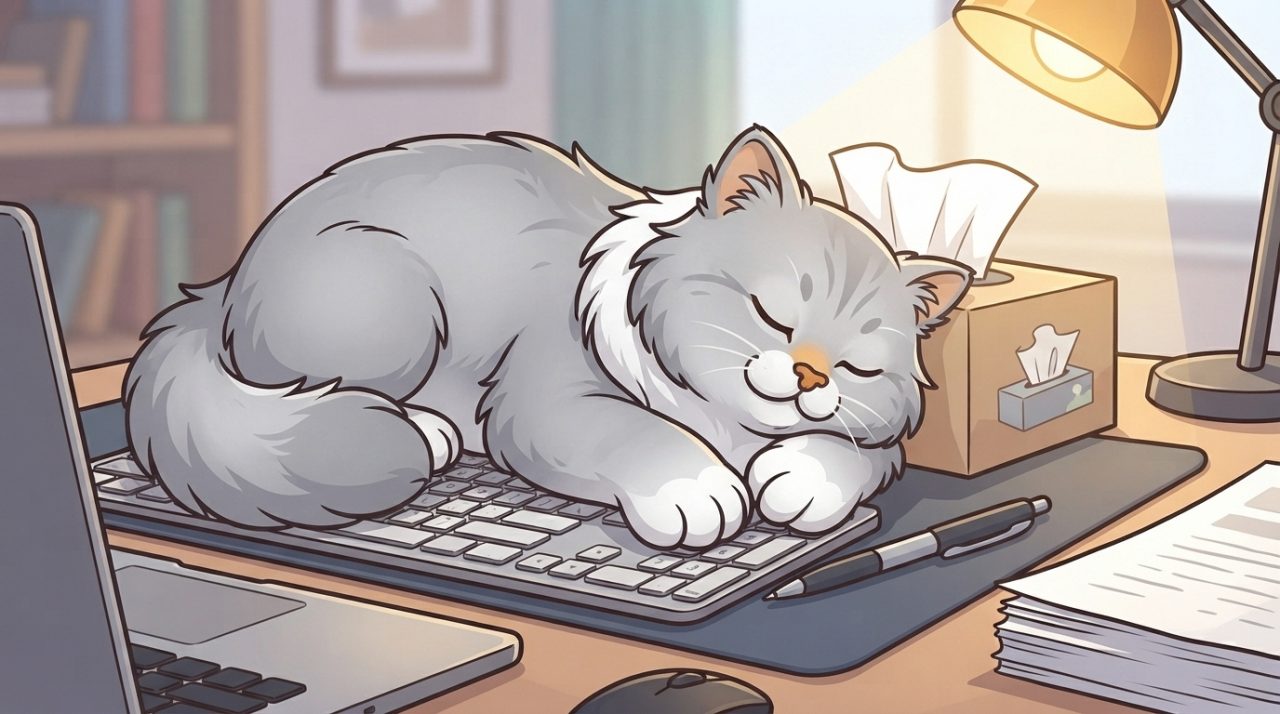
I’ll never forget bringing Jasper home right at this point. Within an hour of arriving, he had, knocked a pen off my desk, gotten his head stuck in an empty tissue box, and fallen asleep mid play, draped across my keyboard like he’d just run a marathon. That’s twelve week energy in a nutshell, total confidence with zero impulse control, and somehow it’s impossible not to fall in love with it instantly.
Litter habits are usually well established by this point too, which makes the transition to a new home considerably smoother. A well socialized twelve week old kitten generally knows how to use a litter box reliably, eats solid food without issue, and has had some early experience with gentle human handling all of which means the adjustment period in a new house is more about building trust and routine than teaching basic skills from scratch.
What This Means for You as a New Persian Kitten Owner
Knowing these Persian kitten development stages isn’t just trivia it actually changes how you care for a kitten day to day. In the early weeks, if you’re around a nursing litter at all, the rule is simple, hands off unless necessary, and let mom do her job. Once kittens are mobile and weaned, your role shifts dramatically toward gentle handling, patient socialization, and kitten proofing your space before that twelve week tornado arrives.
One thing I’d genuinely recommend, looking back, is keeping a simple kitten journal, even just a note on your phone tracking little milestones as you notice them. When did the personality really start showing? When did the zoomies begin? I didn’t start doing this with Jasper until he was already home, and I wish I’d had a record of his first few weeks too. It’s such a short window, and it goes by fast.
Patience matters more than people expect. A kitten at six weeks behaves completely differently from the same kitten at eleven weeks, and expecting “adult cat” behavior too early just sets everyone up for frustration.
Give a young kitten safe, supervised space to explore, plenty of soft places to crash after a play burst, and consistent gentle handling, and you’re setting the stage quite literally for the calm, affectionate adult Persian temperament this breed is known for.
If you’ve got other pets at home, these same Persian kitten development stages are worth keeping in mind during introductions. A kitten fresh out of the eight to twelve week window is curious and bold, but still small and easily overwhelmed, so slow, supervised introductions to existing cats or calm dogs tend to go far better than tossing everyone together and hoping for the best. Giving the new kitten its own safe retreat space somewhere it can hide, eat, and use the litter box without feeling cornered makes a noticeable difference in how quickly it settles in.
And if something ever seems off from what’s typical for a given stage lethargy that doesn’t match the age, feeding struggles, anything that gives you pause that’s always a conversation for your vet, not a guessing game. I always check with mine, even now, eleven years into life with Jasper.
Beyond the basics, this is also a good window to start gentle habit building that pays off for years. Short, calm grooming sessions even just a few minutes with a soft brush introduced early help a Persian kitten grow into an adult cat who genuinely tolerates, or even enjoys, the regular coat care this breed needs. The same goes for nail trims and quiet handling of paws and ears; a kitten who’s used to it at three months is a far easier adult cat to care for at three years. None of this needs to be rushed or formal. A few relaxed minutes here and there, paired with plenty of praise, goes a long way.
FAQ: About Persian Kitten Development Stages
How long do Persian kitten development stages take overall?
Most of the dramatic developmental changes opening eyes, walking, weaning, and gaining real coordination happen within the first twelve weeks. After that, kittens keep growing and maturing for well over a year, with the full adult coat and final body proportions often not settling in until somewhere closer to the eighteen month to two year mark, even though the foundational stages are largely complete by around three months old.
When do Persian kittens open their eyes?
Typically somewhere between seven and fourteen days old, though every kitten is a little different. Eyes usually appear a hazy blue at first and gradually clear and shift in color over the following weeks, often settling into their true adult shade by around three months.
At what week do Persian kittens start playing with each other?
Real play behavior pouncing, wrestling, chasing usually kicks in around five to six weeks, once kittens have enough coordination to chase something and enough confidence to wander a little farther from mom.
Are Persian kitten development stages different from other breeds?
The broad strokes, eyes opening, weaning, walking follow a similar timeline across most cat breeds. Persians may take slightly longer to show their full adult coat and facial structure simply because of their distinctive long fur and flat profile, but the core developmental milestones line up closely with other breeds.
When is the best time to bring home a Persian kitten?
Most breeders recommend around twelve weeks old, once a kitten is weaned, has had some early vet guided care, and has had enough time with its littermates and mother to develop good social skills.
A Little Love Before You Go, From a Fellow Persian Cat Mama
Looking back at everything Jasper went through before I even met him, the blind, sleepy newborn stage, the wobbly first steps, the chaotic little tornado he became by twelve weeks gives me a completely different appreciation for the calm, fluffy gentleman snoring next to me right now. Every dramatic flop onto his side, every dignified stare, traces right back to that scrappy little kitten figuring out the world one wobble at a time.
If you’re watching your own Persian kitten move through these stages right now, soak it up. It really does go by in a blink. And if you’ve already got an adult Persian like I do, I hope this gave you a little more appreciation for the journey that got them here.
I’d love to hear about your own kitten’s milestones in the comments. What stage surprised you the most? Bookmark this page if you want to come back to it as your kitten grows, share it with a friend who’s expecting a litter of their own, and as always, give your fluffy little troublemaker an extra scratch behind the ears from me and Jasper.
About the Author
Tabitha P. Bean is a Persian cat enthusiast, writer, and the proud owner of Jasper, her beloved male Persian cat. Through her love for Jasper, she enjoys sharing helpful tips and insights to help fellow cat parents give their fluffy companions a happy, healthy, and comfortable life.
