
Estimated read time: 12 – 15 minutes
Introduction
If you’ve ever watched your Ragdoll wander around the house looking vaguely unimpressed flopping down in a random hallway, staring at a corner, or politely but firmly claiming your favorite armchair you’ve probably thought, this cat deserves better. I know I did.
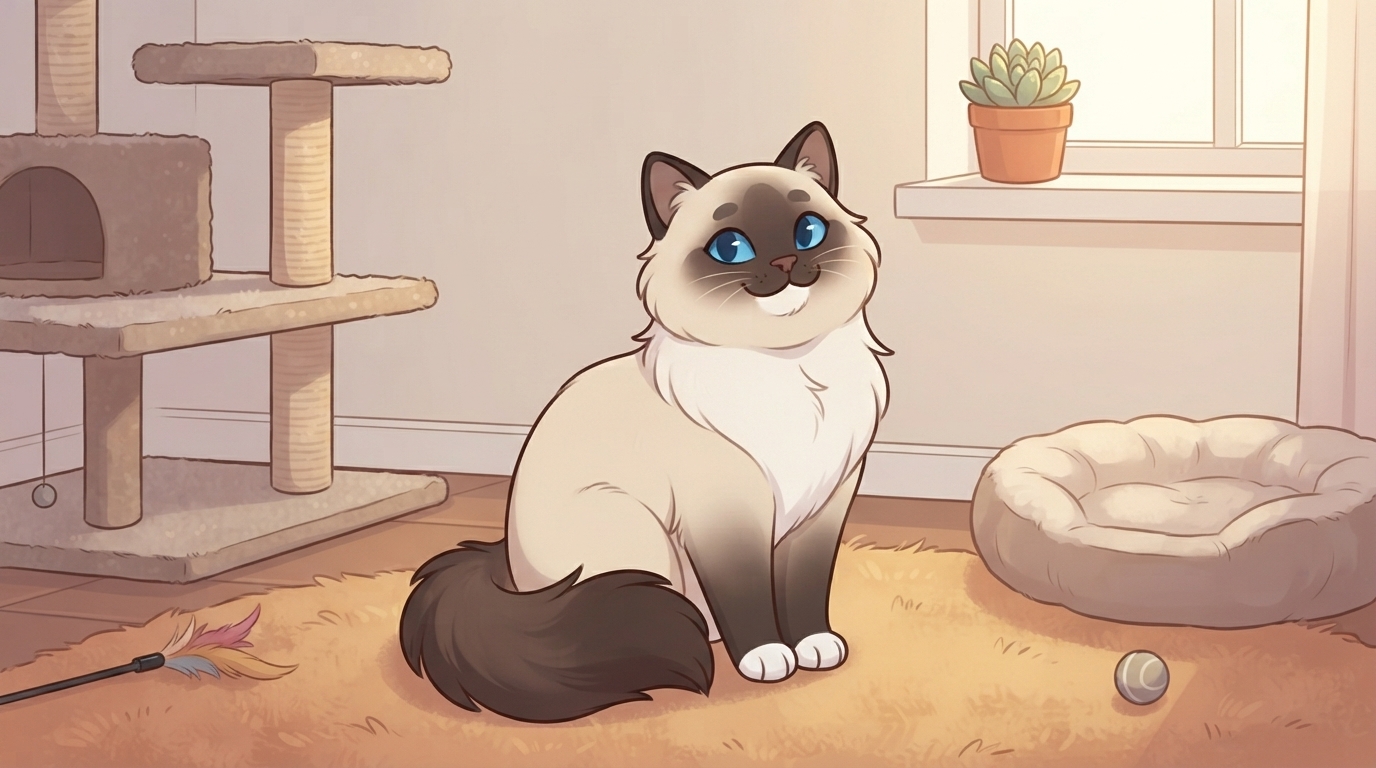
When I first started thinking seriously about Ragdoll cat room setup ideas, it was because of Milo. My big, blue-eyed boy had taken over a spare room corner and turned it into his unofficial headquarters. He had a blanket, a toy mouse, and the expression of a cat who knew he deserved more. He wasn’t wrong.
Over the past few years, I’ve transformed that corner and eventually a whole dedicated area into what I genuinely believe is Milo’s perfect space. It didn’t happen overnight, and I made plenty of mistakes along the way. But the result? A Ragdoll who is calm, confident, and genuinely happy in his environment.
In this guide, I’m walking you through everything I learned, from understanding what Ragdolls actually need in their living space, to choosing the right furniture, lighting, hiding spots, and enrichment. Whether you’re in the US or the UK, setting up a small corner or redesigning a whole room, these ideas will help you build something your Ragdoll will truly love.
Understanding What Ragdolls Actually Need (Before You Buy Anything)
Before spending a single dollar on cat trees and cozy beds, it pays to understand your Ragdoll’s personality because it shapes everything about how you should set up their space.
Ragdolls are famously laid back and affectionate. They’re often called “puppy cats” because they follow their humans from room to room, enjoy being held, and thrive on companionship. Unlike more independent or highly energetic breeds, Ragdolls crave closeness and calm over height and chaos. They’re not natural climbers in the way a Bengal or Abyssinian might be, they tend to prefer lower furniture and ground level snuggling over tall cat towers.
This changes the setup game considerably.
When I first brought Milo home, I bought a towering six foot cat tree thinking he’d love it. He sniffed it, sat on the bottom platform, and never went higher than two feet off the ground. Lesson learned. Ragdolls are generally more interested in cozy ground level dens, soft lounging spots, and spaces where they can be near you without surveying the room from on high.
Here’s what Ragdolls genuinely need in their environment,
- A calm, predictable space Ragdolls thrive on routine and can become anxious in chaotic or overly stimulating environments
- Soft, plush resting areas They’re champion nappers and need multiple comfortable spots
- Low to mid height perches Not necessarily floor level, but rarely sky high
- Social proximity to their humans A dedicated “cat space” should ideally be near where you spend your time
- Mental stimulation without overstimulation Window views, gentle toys, and interactive play work beautifully
- Scratching outlets Even the most docile Ragdoll needs to scratch; giving them the right place protects your furniture
With these needs in mind, let’s get into the actual setup.

Choosing the Right Cat Furniture for a Ragdoll
The furniture you choose is the foundation of the entire room setup. Get this right, and everything else falls into place.
Cat Trees – Low and Wide Beats Tall and Narrow
I upgraded Milo’s cat tree after that six foot disaster, and the difference was immediate. I chose a shorter, wider cat tree around 36 to 48 inches tall with large, sturdy platforms and a hammock on the second level. He uses it every single day.
For Ragdolls specifically, here’s what to prioritize,
- Wide platforms (at least 16 inches across) so their full body can stretch out and rest
- Solid construction Ragdolls are large cats, with males weighing anywhere from 15 to 20 pounds, so you need something that doesn’t wobble when they jump
- Sisal scratching posts built into the tree Milo goes for these constantly
- Lower maximum height two to three tiers is plenty for most Ragdolls
- Cozy enclosed cubbies Milo loves the little hideaway nook on his current tree more than any perch
Avoid cheap, lightweight cat trees. They’ll topple when your Ragdoll launches himself onto them, and that kind of unpredictability genuinely stresses them out.
Cat Beds – The More, The Better
This is one place where I say go overboard. Milo has four beds in various spots throughout his area, and he uses all of them depending on the time of day, his mood, and the lighting.
Consider:
- A donut or bolster style bed for cats who like to curl up with something against their back Milo’s favorite
- A flat plush mat for daytime lounging when he wants to stretch out fully
- A self warming thermal bed for cooler months these don’t require electricity and reflect the cat’s own body heat back to them
- A cave style enclosed bed for when he wants privacy and the feeling of a snug den
Rotate washable covers regularly. Ragdolls have long, silky coats that shed year round, and keeping bedding fresh matters both for hygiene and your cat’s comfort.
Scratching Posts – Non Negotiable
Even the gentlest Ragdoll needs to scratch. It’s how they stretch their muscles, mark their territory, and keep their claws healthy. If you don’t provide the right scratching spots, they’ll find their own, usually your sofa.
I keep multiple scratching options in Milo’s space,
- A tall vertical sisal post (at least 32 inches) so he can stretch fully upright while scratching
- A horizontal cardboard scratcher for variety Milo alternates between the two depending on his mood
- A scratching pad near his beds cats often like to scratch right after waking up, so proximity matters
Replace cardboard scratchers regularly once they’re shredded down. Milo goes through one every couple of months.
Setting Up the Perfect Window Viewing Station
One of the best decisions I made for Milo’s room was setting up a dedicated window viewing station, and it cost almost nothing.
Ragdolls aren’t the most high energy cats, but they do enjoy visual stimulation, especially watching birds, squirrels, and the outside world in general. A good window perch gives them a front row seat to nature and provides hours of gentle mental engagement.
What I Did for Milo’s Window Station
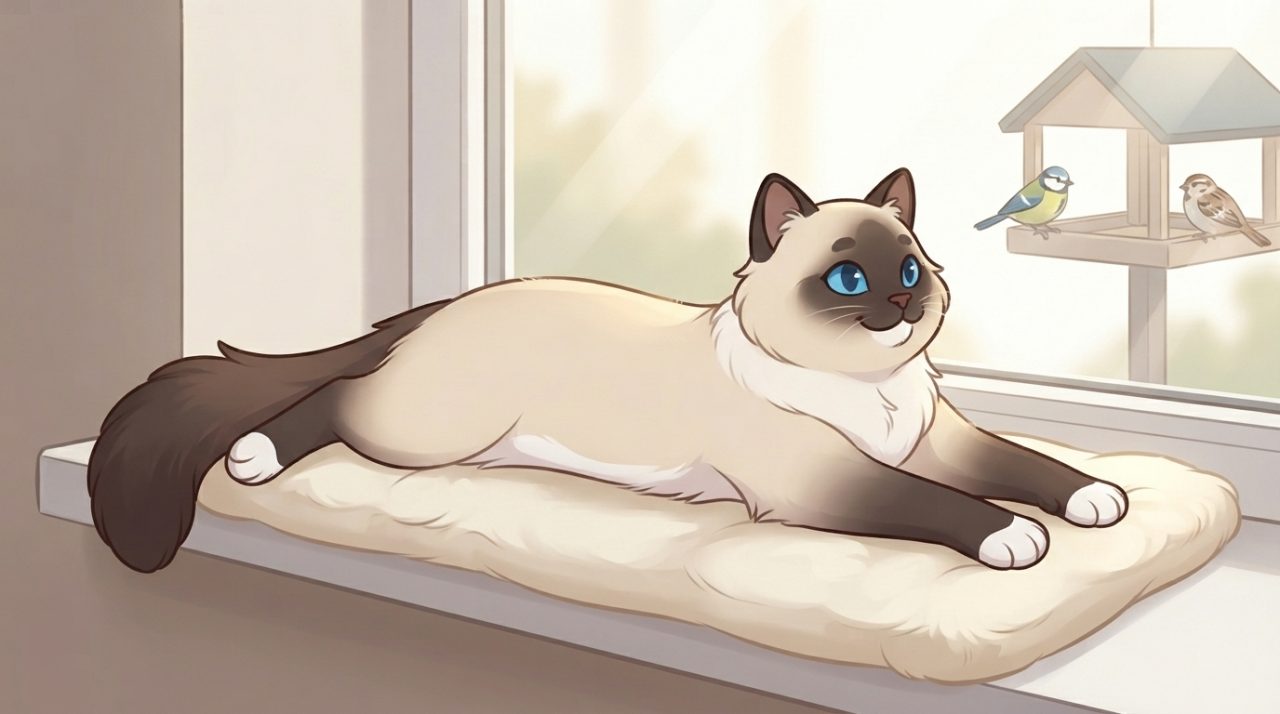
I placed a solid, freestanding window perch directly in front of the largest window in his room. I chose a freestanding model rather than a suction cup style because Milo is a big boy, and I didn’t want to risk a fall. The platform is wide enough for him to lie down fully and gaze outside for extended stretches.
Outside the window, I added a bird feeder on a shepherd’s hook in the yard. The difference was instant Milo went from occasionally glancing outside to spending 45 minutes at a time watching the birds like he had his own personal wildlife documentary.
A few tips for setting up a great window station,
- Choose a south or east facing window for the best natural light and warmth
- Place a bird feeder or birdbath outside if possible this dramatically increases activity for your cat to watch
- Add a soft blanket or cushion to the window perch surface the combination of warmth, comfort, and a view is irresistible to Ragdolls
- Make sure the window latches securely Ragdolls are trusting and won’t necessarily react defensively to threats, so window safety matters
Whether you’re in a house or an apartment, even a small window ledge set up with a cozy cushion becomes prime Ragdoll real estate.
Creating a Cozy Hideaway – Why Ragdolls Need Their Own Quiet Corner
Here’s something I didn’t fully appreciate when I first set up Milo’s space. Even the most social, people loving Ragdoll occasionally need a place to retreat.
Milo shares the house with two other people and a lot of daily activity deliveries, visitors, the TV, work calls. He’s generally unbothered (true to Ragdoll form), but I noticed he’d occasionally wander off and tuck himself into a quiet corner of the house. That was his signal that he needed a calm, private den.
Creating a dedicated hideaway transformed things. Milo now has a clear “home base” he returns to when the house is busy, and he comes back to the family space recharged and ready for cuddles.
How to Create the Perfect Ragdoll Hideaway
You don’t need a separate room (though if you have one, it’s a treat). A quiet corner in a bedroom, office, or living room works beautifully.
Key elements:
- A cave style or enclosed bed the covered, tent like designs create a cozy den feeling that cats instinctively love
- Low lighting Milo’s corner has a soft glow nightlight and gets indirect natural light; no harsh overhead lights
- A piece of your clothing or something that smells like you Ragdolls bond deeply with their humans, and your scent is genuinely comforting
- Minimal foot traffic position the hideaway away from doorways and high traffic areas
- Consistent placement don’t move this area around; Ragdolls thrive on predictability and having a stable retreat point matters to them
I added a soft mat outside Milo’s cave bed so he can lounge in the entrance on warm days without committing fully to going inside. He uses it constantly half in, half out, watching the world while staying cozy.
Interactive Enrichment – Keeping Your Ragdoll’s Mind Active
Ragdolls are gentle and calm, but they’re also intelligent. Without enough mental stimulation, they can become bored, restless, or clingy. The good news is that enrichment for a Ragdoll doesn’t need to be complicated or expensive.
Milo taught me this slowly over time. He’d start batting at my ankles around 5 PM, his version of saying “I’m bored, and I’ve decided this is your problem now.” Once I built better enrichment into his space, those ankle attacks dropped dramatically.
Toy Rotation
This is a game changer that costs nothing extra. Instead of leaving all of Milo’s toys out at once (which leads to boredom), I divide them into three groups and rotate weekly. When a toy comes back out after a week away, it feels brand new to him. He goes wild for it.
Good toy types for Ragdolls:
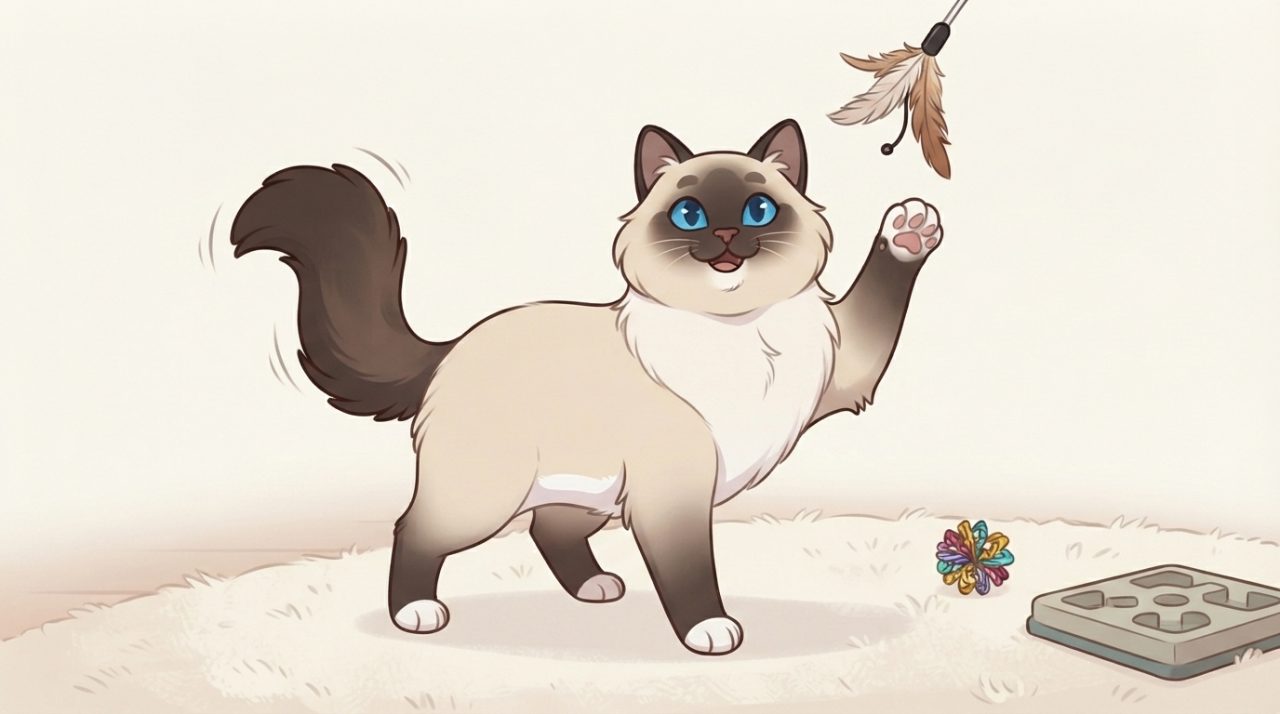
- Feather wands and teaser toys for interactive play sessions Milo goes absolutely crazy for these
- Soft mice and crinkle balls for solo batting and chasing
- Puzzle feeders Ragdolls are food motivated and these slow down mealtime while keeping their mind engaged
- Cat tunnels a simple crinkle tunnel gives them a place to hide, ambush, and race through
“Cat TV” and Audio Enrichment
On days when I’m at my desk working and can’t actively play with Milo, I’ll put on bird and wildlife videos on a tablet propped near his perch. He watches these with the focus of someone studying for an exam. There are hours of free content on YouTube specifically designed for cats.
I’ve also noticed Milo responds well to calm, gentle background music. He seems most relaxed when the house has soft ambient sound rather than complete silence or sudden loud noises. Classical music at low volume has become his go to background audio.
Daily Play Sessions
No room setup replaces genuine interactive playtime with you. Ragdolls are deeply people oriented, and daily play sessions even just 10 to 15 minutes with a feather wand make a huge difference in their mood and contentment. Milo and I do one session in the morning and one in the evening, and he’s noticeably calmer and more settled on play days compared to days when life gets busy and I skip it.
Litter Box Setup – Practical and Odor Free
No cat room guide would be complete without covering the litter box, not the most glamorous topic, but absolutely essential for your Ragdoll’s comfort and your sanity.
Ragdolls are large cats, which means they need a large litter box. I made the mistake of starting with a standard size box and noticed Milo was hanging his back end over the edge. Not ideal for anyone involved.
Here’s what works well:
- Size – Go large at least 20 x 27 inches, or consider a storage tote repurposed as a jumbo litter box
- Covered vs. uncovered – Milo prefers covered boxes with a flap removed; he likes the privacy but not feeling confined
- Litter type – I use an unscented, low dust clumping litter Ragdolls have sensitive respiratory systems and heavily perfumed litters can irritate them
- Placement – In a quiet, low traffic corner of the room, away from food and water bowls
- Cleaning – Daily scooping, full clean weekly Ragdolls are fastidious and will avoid a dirty box
For odor control without harsh chemicals, I place a small box of activated charcoal near the litter area. It absorbs odors without adding scent, and it’s safe for cats.
If you’re setting up a dedicated cat room, aim for one litter box plus one extra. The general rule for multi cat homes applies here too, even if you have just one cat.

FAQ: Ragdoll Cat Room Setup Ideas
Do Ragdolls need their own room?
They don’t need a dedicated room. Ragdolls are social cats who actually prefer to be near their humans, so a carefully set up corner in your bedroom or living room can work beautifully. That said, if you have a spare room available, giving your Ragdoll their own space can be a wonderful enrichment project. Just make sure the room is in an area where they’ll still hear and smell the family, rather than feeling isolated.
What’s the best cat tree for a Ragdoll?
Look for shorter, wider cat trees with large, stable platforms and solid construction. Ragdolls typically don’t climb very high, but they’re big and heavy, so stability is critical. A tree with a built in hammock, sisal scratching posts, and an enclosed cubby hits all the bases. Milo’s current tree is around 42 inches tall, and it’s the perfect height for him.
How many scratching posts does a Ragdoll need?
I’d suggest a minimum of two or three in different areas. A tall vertical sisal post for full body stretching, a horizontal cardboard scratcher for floor level scratching, and one integrated into a cat tree. Placing scratchers near sleeping areas works well because cats naturally stretch and scratch after waking up.
Should I put a cat door in the room if I set one up?
If you’re creating a dedicated Ragdoll room, a cat door is a great idea. It lets your Ragdoll come and go independently, which matters a lot for a breed that genuinely wants to be near you. The last thing you want is a Ragdoll feeling trapped or separated. Freedom of movement keeps them happier and more confident.
What temperature should a Ragdoll’s room be?
Ragdolls are comfortable in the same temperature range as most humans, somewhere between 65°F and 75°F (18°C to 24°C). They have semi long, plush coats that provide some insulation, so they handle slightly cooler temperatures well. In winter, a self warming bed or thermal mat gives extra comfort without needing to crank up the heat.
How do I get my Ragdoll to actually use the cat room I set up?
Patience and positive association are key. Start by spending time in the space yourself. Your presence makes it feel safe to your Ragdoll. Bring their favorite toys and treats into the room, and do interactive play sessions there. Never force them into space, let them explore on their own terms. Milo took about two weeks to fully claim his room as his own, but once he did, there was no going back.
Do Ragdolls need enrichment if they’re calm and laid back?
Yes, absolutely. A calm temperament doesn’t mean low needs, it means low chaos tolerance. Ragdolls are intelligent cats who benefit from gentle mental stimulation every day. Without it, they can become bored, clingy, or withdrawn. Daily play, window views, toy rotation, and puzzle feeders all make a meaningful difference in their long term happiness.
A Quick Note Before You Leave, From a Fellow Ragdoll Mama
Building Milo’s perfect room wasn’t about buying the most expensive furniture or creating some elaborate Instagram worthy cat apartment (though, honestly, no judgment to anyone who does that). It was about paying attention to what he actually needed and responding to it.
What I found is that Ragdolls are surprisingly clear communicators about their preferences you just have to watch. Milo told me the tall cat tree was wrong by ignoring it. He told me the window perch was right by spending entire mornings there. He told me the cave bed was essential by retreating to it every single afternoon.
The foundation of a great Ragdoll room setup comes down to a few non-negotiables: solid, low to mid height furniture sized for a big cat; multiple soft sleeping options; a good window view; scratching outlets; a peaceful hideaway; and daily interactive play with you. Everything beyond that is personalization and that’s the fun part.
Whether you’re starting with a single corner or planning a full dedicated room, I hope Milo’s journey gives you a useful starting point. I’d love to hear what you set up for your own Ragdoll drop a comment below and share your best ideas!
About the Author
Shirley E. Butler is a Ragdoll cat enthusiast, editor, and the proud owner of Milo, her blue eyed male Ragdoll.
