
Estimated read time: 12 – 15 minutes
Introduction
If you’ve ever reached for your favorite black sweater and discovered it’s now 30% cat hair, you already know the reality of sharing your home with a Ragdoll. I’ve lived through it every single morning with my blue-eyed boy, Milo. There’s something both infuriating and oddly endearing about finding silky cream-colored fur tucked into every corner of your life.
Here’s the good news: Ragdoll cat shedding is genuinely manageable. Unlike some long-haired breeds that seem to shed in avalanches, Ragdolls have a coat that with the right routine stays mostly on your cat rather than your couch. In this guide, I’ll walk you through everything I’ve learned about why Ragdolls shed, when shedding peaks, the best grooming tools to use, how to feed for a healthier coat, and which home-cleaning strategies actually work. Whether you’re in the US or the UK, just brought home your first Ragdoll kitten, or you’re a seasoned owner ready to level up your routine, this is your complete fur-management playbook.
Let’s get into it.
Do Ragdoll Cats Shed a Lot? The Truth About Their Coat
This is the question every prospective Ragdoll owner asks, and the honest answer is: yes, they shed but probably less than you’re expecting.
Ragdolls have a semi-long, silky coat that is notably different from many other longhaired breeds. Most long-haired cats like Persians or Norwegian Forest Cats have a dense double coat: a coarse outer layer and a fluffy, woolly undercoat. Ragdolls, by contrast, have a single-layer coat with no true undercoat. This is a big deal when it comes to shedding.
Because there’s no thick undercoat to release in clumps, Ragdoll fur tends to shed gradually and evenly. You won’t typically face the dramatic “blowing coat” episodes that owners of Siberian Huskies or Maine Coons deal with. The fur is also silky rather than coarse, which means it’s less likely to mat into tight tangles when it does fall away from the skin.
That said, Ragdolls are not a low-maintenance or non-shedding breed. Milo sheds consistently throughout the year, and during seasonal transitions, it becomes noticeably heavier. I’ve found fur on my keyboard, in my coffee mug (don’t ask), and pressed into the fabric of my car seats. The difference is that with a solid routine, I can keep it from taking over my home.
How does Ragdoll shedding compare to other breeds?
Breed | Coat Type | Shedding Level |
Ragdoll | Semi-long, no undercoat | Moderate |
Persian | Long, dense double coat | Heavy |
Maine Coon | Long, double coat | Heavy |
Siamese | Short, single coat | Low–Moderate |
British Shorthair | Short, dense plush | Moderate |
For most households, Ragdoll shedding lands in a very manageable middle ground especially once you have the right tools and habits in place.
When Do Ragdolls Shed the Most? Understanding Seasonal Shedding
Ragdolls, like most cats, are not constant shedders in the same way year-round. Their shedding follows a seasonal rhythm tied to changes in daylight hours and temperature and knowing this cycle in advance means you can prepare rather than react.
Spring Shedding: The Big One
The most noticeable shedding season for Ragdolls is spring, typically from late February through May depending on where you live. During winter, your cat’s body has been building up a thicker, fuller coat to stay warm. As daylight hours lengthen and temperatures start rising, the body signals it’s time to release that winter coat. The result: more fur than usual, seemingly everywhere at once.
When I notice Milo’s spring shed starting, I immediately bump up our grooming sessions from two times a week to four or five. It makes a significant difference. If you let the loose winter coat sit, it can mat and become uncomfortable for your cat and for you, it means fur floating around the house in visible quantities.
Fall Shedding: The Lighter Season
A second, milder shedding season happens in fall, usually from September through November. This is when your Ragdoll’s body sheds the lighter summer coat to make room for the incoming winter fluff. The fall shed is typically less dramatic than spring, but it’s still worth stepping up your grooming routine during this period.
Year Round Baseline Shedding
Outside of these two peaks, Ragdolls shed at a lower, steady baseline all year. Indoor cats, in particular, may not follow the seasonal pattern as strictly because artificial lighting disrupts their body’s natural light cues. Milo lives indoors full-time, and I’ve noticed his shedding is fairly consistent across the year with slight increases in spring and fall never truly stopping.
Other Factors That Affect Shedding
Beyond the seasons, several other things influence how much your Ragdoll sheds:
- Stress: A move, a new pet, loud renovations, or changes in the household routine can trigger temporary increases in shedding.
- Hydration: Cats that don’t drink enough water tend to have drier skin, which leads to more shedding.
- Diet: A nutritional deficiency particularly in omega fatty acids shows up quickly in coat quality and shedding levels.
- Age: Older Ragdolls may shed more as their coat loses some of its youthful density, and they may groom themselves less effectively.
- Health: Sudden, dramatic changes in shedding that don’t seem tied to any of the above are worth discussing with your vet, as they can sometimes indicate an underlying issue.
The Best Grooming Routine to Reduce Ragdoll Shedding
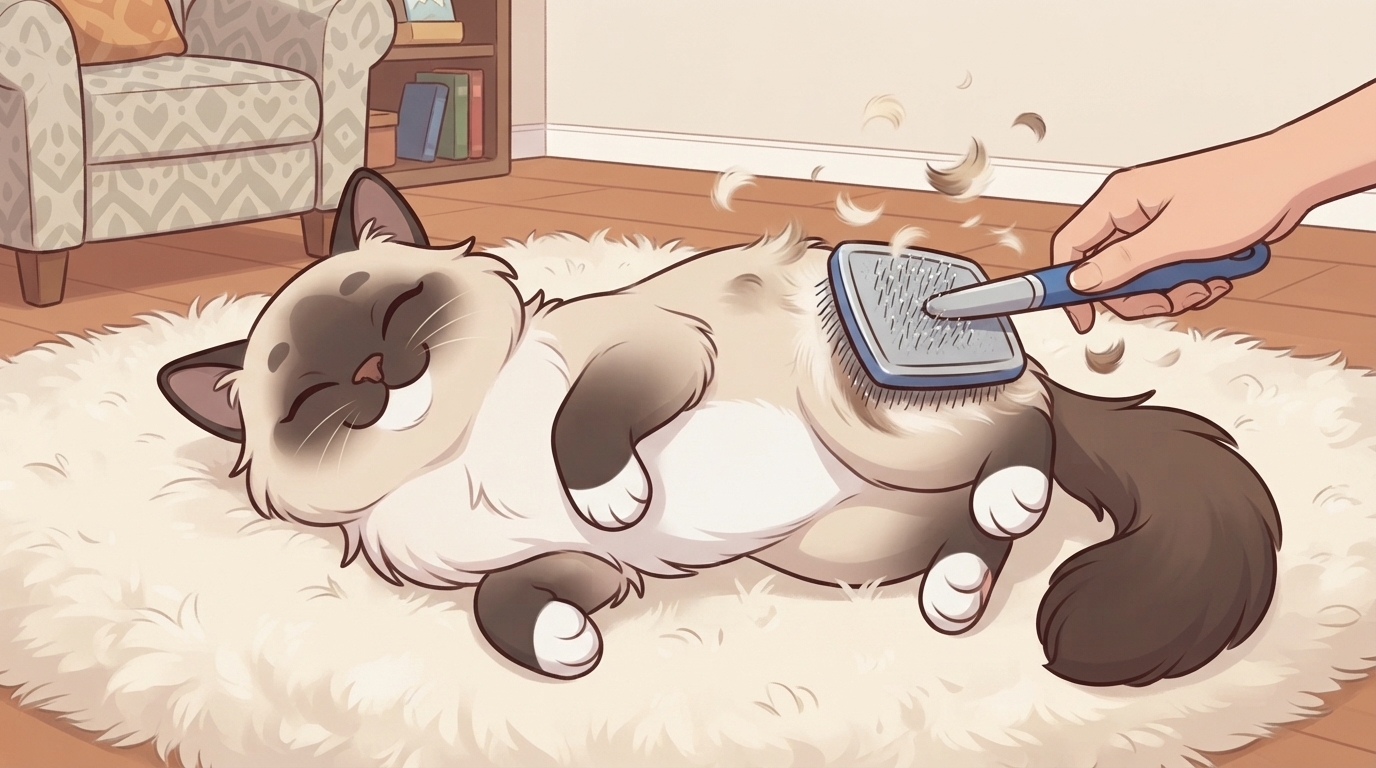
Grooming is your single most powerful tool against shedding. Regular brushing captures loose fur before it ever has a chance to leave your cat’s coat and land on your furniture. It’s also a bonding experience. One of Milo’s favorite parts of the week is our grooming sessions, where he flops sideways and purrs like a motorboat.
How Often Should You Brush a Ragdoll?
For most Ragdolls, two to three times per week is the sweet spot during regular periods. During peak shedding in spring and fall, increase this to four or five sessions per week. Daily brushing during the worst of the spring shed is not overkill, it can dramatically reduce the fur you find floating around the house.
The Right Tools for a Ragdoll’s Coat
Choosing the right brush matters more than most owners realize. Because Ragdolls have a single-layer coat with no dense undercoat, you need to be thoughtful about which tools you use.
Slicker brushes are widely considered the gold standard for Ragdolls. They have fine, short metal pins set close together that are excellent at removing loose fur and preventing tangles. A slicker brush with a self-cleaning button (like the Hertzko Self-Cleaning Slicker Brush) makes the job faster and less messy. This is what I use on Milo first during every grooming session.
Wide-tooth steel combs are ideal for working through any tangled areas, particularly around the neck ruff, belly, and the fur behind the ears spots where Ragdolls are prone to developing small mats. Run the comb gently through the coat after brushing to make sure nothing is knotting up underneath.
Grooming gloves work beautifully for Ragdolls that are resistant to brushes. The rubber nubs pick up surface-level loose fur while mimicking the sensation of being petted. They’re a great starting point for kittens or cats new to grooming.
One important note: The FURminator a popular deshedding tool is generally not recommended for Ragdolls. Because Ragdolls lack a true undercoat, the FURminator’s aggressive raking action can pull at the single-layer coat and irritate the skin. Stick with slicker brushes and combs for this breed.
Step by Step Grooming Session
Here’s the routine that works well for Milo and me:
- Start with a wide tooth comb. Gently work through the coat, checking for any tangles or mats, especially around the neck, belly, and armpits.
- Follow with the slicker brush. Use long, gentle strokes in the direction of hair growth to lift and capture loose fur.
- Pay attention to high mat zones. The neck ruff, behind the ears, between the hind legs, and under the “armpits” are where mats form most commonly. Spend extra time here.
- Finish with a light comb through. A final pass with the wide-tooth comb confirms there are no remaining tangles.
- Reward your cat. Milo gets a treat and a head scratch after every session. It keeps him enthusiastic about grooming rather than dreading it.
A full grooming session takes me about 10–15 minutes. That’s a small investment for the reduction in fur around my home.
Diet and Hydration: Feeding for a Healthier, Lower-Shedding Coat
What your Ragdoll eats has a direct impact on how much they shed. A healthy, well-nourished coat sheds less, grows stronger, and looks shinier. When I switched Milo to a higher-quality food a couple of years ago, I noticed a real difference in both the texture of his coat and the amount of fur I found around the house.
The Role of Omega Fatty Acids
Omega-3 and omega-6 fatty acids are the most important nutritional factors for skin and coat health in cats. These fats help keep the skin moisturized from the inside out, reducing the dry, flaky skin that leads to excessive shedding. Look for cat foods that list salmon oil, fish oil, DHA, EPA, or flaxseed among the ingredients.
Some owners add a small amount of fish oil (formulated for pets) to their cat’s food as a supplement. If you’re considering this, check the dosage on the product and confirm with your vet that it’s appropriate for your cat’s size and health status.
High-Quality Protein Matters
Cats are obligate carnivores, and a diet high in animal protein supports strong coat growth. Look for foods where a named meat source (chicken, turkey, salmon) is the first ingredient. Foods that lead with grain fillers or plant-based proteins tend to produce duller, higher-shedding coats over time.
Hydration Is Often Overlooked
Many cat owners focus on food and overlook water but hydration has a significant impact on skin health and shedding. Cats that don’t drink enough tend to have drier skin, which leads to more loose fur.
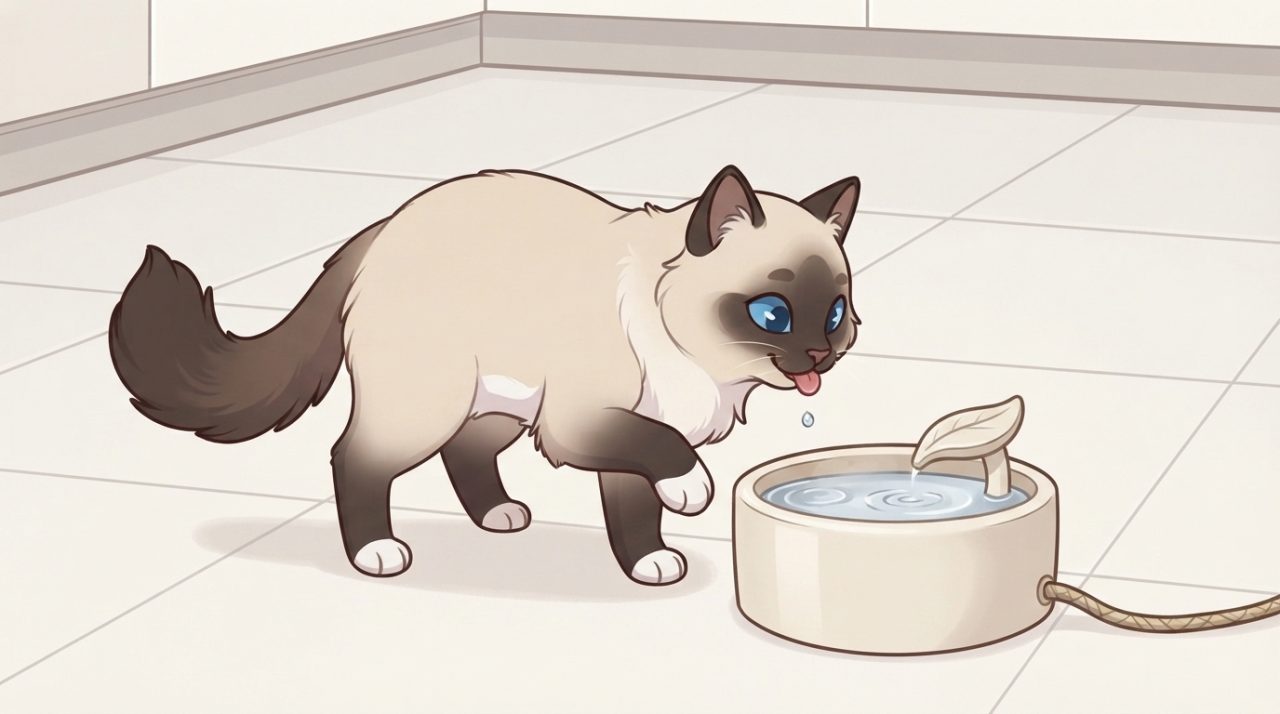
If your Ragdoll isn’t a big water drinker, consider investing in a pet water fountain. Many cats are naturally attracted to moving water and will drink significantly more from a fountain than from a standing bowl. Milo ignored his water bowl for the first year I had him. The moment I introduced a ceramic pet fountain, he became a much better drinker and his coat improved noticeably within a few weeks.
Wet food is another excellent way to boost hydration, since it contains a high moisture content compared to dry kibble. A mix of wet and dry food is a practical approach for many households.
The Best Home Cleaning Tools for Ragdoll Fur
Even with consistent grooming and a great diet, some fur will make its way around your home that’s simply the reality of living with a longhaired cat. The key is having the right tools to clean it up efficiently, so it doesn’t accumulate into an overwhelming situation.
For Your Floors
A vacuum with a pet hair attachment is non-negotiable. Look for models specifically marketed for pet owners, as they have stronger suction and tangle-resistant brush rolls designed to pick up long fur without clogging. Dyson and Shark both make excellent pet-specific models; I’ve been using a cordless Dyson for years and it picks up Milo’s fur from hardwood and carpet equally well.
For hardwood and tile floors, a microfiber mop or electrostatic dry mop is fantastic between vacuuming sessions. The static charge attracts and holds pet hair rather than pushing it around.
Vacuum at least twice a week during normal shedding periods and increase to every day or every other day during the spring shed.
For Furniture and Upholstery
- Lint rollers are the classic solution and genuinely effective. Keep one by the front door, one in your car, and one near your most-used seating areas.
- Reusable pet hair removal rollers (like the ChomChom Roller) work without replacement sheets and are excellent for removing fur from fabric sofas and chairs.
- Rubber gloves the kind you use for washing dishes work surprisingly well on upholstered furniture. Dampen the glove slightly, run your hand over the fabric, and the fur balls up for easy removal.
- Washable furniture covers are a practical investment. Keep them on your sofa and favorite armchair. When they accumulate fur, throw them in the wash. This keeps your actual furniture clean without constant effort.
For Clothes
- Keep a lint roller near your front door or in your bedroom. A quick roll before you leave the house prevents the “cat owner” look from following you to work.
- Washing clothes with a dryer sheet or a dryer ball before or after washing can help loosen fur in the laundry cycle.
- Consider designating certain fabrics or clothing items as “cat furniture” older fleeces, soft blankets and let Milo sleep on those rather than your better pieces.
Air Quality
An air purifier with a HEPA filter can make a meaningful difference in how much fur and dander floats through your home’s air. Pet dander is a significant allergen for many people, and a HEPA filter captures the tiny particles that a vacuum can’t reach. Place one in the rooms where your Ragdoll spends the most time.
Changing your HVAC filters more frequently every 30 to 45 days rather than the standard 60 to 90 days also helps reduce the amount of fur circulating through your home’s air system.
Practical Tips to Minimize Fur Around the House
Beyond grooming and cleaning tools, there are some smart lifestyle habits that make a real difference in day-to-day fur management. I’ve picked these up through years of living with Milo and talking to other Ragdoll owners.
Give Your Cat Designated Resting Spots
Cats will sleep wherever they want, but you can influence their preferences by providing irresistibly cozy options. A soft, plush cat bed or blanket placed in your Ragdoll’s favorite spot concentrates the fur in one place. These are much easier to wash weekly than your entire sofa.
Milo has a dedicated blanket on his favorite armchair. I throw it in the wash every week, and the chair itself stays much cleaner than it did before I introduced it.
Wash Cat Bedding Regularly
Cat beds, blankets, and any fabric your Ragdoll sleeps on regularly should be washed at least once a week during peak shedding seasons. This prevents fur buildup from reaching overwhelming levels.
Groom Your Cat Before Letting Them on Furniture
This sounds overly structured, but a quick brush before a cuddle session on the couch removes the most loose fur before it has a chance to transfer. Even a 60-second pass with a lint brush or grooming glove before Milo joins me on the sofa cuts down noticeably on what ends up in the cushions.
Create a Stress Free Environment
Because stress triggers excess shedding, doing what you can to keep your Ragdoll calm and content is genuinely a fur-management strategy. Ragdolls thrive on routine, companionship, and a calm household. Make sure your cat has:
- Consistent feeding times
- Safe, quiet resting spots away from noise
- Regular play sessions to prevent boredom
- Gradual, careful introductions to any new pets or people
A relaxed Ragdoll sheds less than a stressed one. It’s that straightforward.
FAQ: Ragdoll Cat Shedding
Do Ragdoll cats shed more than other cats?
Ragdolls shed moderately more than short-haired breeds like Siamese, but significantly less than other longhaired breeds like Persians or Maine Coons. Because they lack a dense undercoat, their fur doesn’t release in the heavy clumps those breeds produce. With a good grooming routine, Ragdoll shedding is very manageable.
Are Ragdolls hypoallergenic?
No cat is truly hypoallergenic. Ragdolls do produce less dander than many breeds due to their coat structure and moderate shedding levels, which means some allergy sufferers find them easier to live with. However, if you have severe cat allergies, spend time with a Ragdoll before committing to one.
Why is my Ragdoll shedding more than usual?
Common causes include seasonal changes (spring and fall are peak shedding periods), a dietary deficiency, stress, dehydration, or simply that you’ve skipped a few grooming sessions. If the increase is sudden and dramatic, or if you notice bald patches or skin changes, it’s worth a visit to the vet to rule out any underlying health issues.
How often should I bathe my Ragdoll to reduce shedding?
Ragdolls are naturally clean cats and don’t need frequent baths. An occasional bath every few months or so can help remove loose fur and keep the coat fresh. More frequent bathing isn’t necessary and can dry out the skin. Regular brushing is far more effective at managing shedding than bathing.
What’s the best brush for a Ragdoll cat?
A slicker brush is the most recommended tool for Ragdolls. It removes loose fur and prevents tangles without being too aggressive on their single-layer coat. Follow up with a wide-tooth steel comb to check for any mats, especially around the neck and belly. Avoid the FURminator, which is better suited for double-coated breeds.
Can diet really reduce shedding?
Yes, significantly. A diet rich in omega-3 and omega-6 fatty acids supports healthy skin and a stronger coat, which sheds less. High-quality animal protein is also important. If you switched foods recently and noticed an increase in shedding, the new formula may be nutritionally inferior for coat health. When I upgraded Milo’s food, his shedding visibly decreased within about six weeks.
Does Ragdoll fur mat easily?
Less than other longhaired breeds, but it can mat particularly in areas of friction like behind the ears, under the “armpits,” around the collar zone, and between the back legs. Regular brushing prevents mats from forming. If you find a mat, don’t pull it, use a mat splitter or wide-tooth comb to work it apart gently from the outside in.
Is there anything I can do for my home’s air quality with a Ragdoll?
Absolutely. A HEPA air purifier in rooms your cat frequents is one of the best investments you can make. It captures the fine dander and fur particles that a vacuum can’t reach. Also change your HVAC filters more frequently every 30–45 days to prevent pet hair from recirculating through your home’s air system.
A Quick Note Before You Leave, From a Fellow Ragdoll Mama
Living with a Ragdoll is one of the most rewarding experiences a cat lover can have but it does come with fur. A lot of it, depending on the season. The key is approaching it proactively rather than reactively.
The biggest things that have made a difference for me with Milo: brushing consistently (and more often in spring), switching him to a higher-quality food with good omega fatty acid content, keeping a pet fountain going so he stays hydrated, and having the right cleaning tools stocked and ready. None of these are complicated or expensive. Together, they’ve taken ragdoll shedding from something that felt like a battle to something I barely think about anymore.
Your Ragdoll’s beautiful coat is one of their most wonderful features. With the right care, you get to enjoy all the softness and none of the chaos.
I’d love to hear how you manage shedding in your home drop a comment below and let me and the other readers know what’s worked for you. And if you found this guide helpful, share it with a fellow Ragdoll lover!
Shirley E. Butler is a Ragdoll cat enthusiast, editor, and the proud owner of Milo, her blue eyed male Ragdoll.
